



Material selection stands as one of the most critical decisions when designing plastic packaging. PET (polyethylene terephthalate) and HDPE (high-density polyethylene) dominate the bottle market, yet each serves distinct applications. Understanding their properties helps brands choose packaging that protects products while meeting cost and sustainability goals.
Understanding PET Plastic Characteristics
PET has become synonymous with clear, glass-like packaging. The material offers exceptional clarity, allowing consumers to see product color and consistency. This transparency drives its popularity in cosmetic and personal care packaging where visual appeal influences purchasing decisions. PET bottles also provide good barrier properties against moisture and oxygen, making them suitable for products sensitive to environmental exposure.
HDPE Properties and Applications
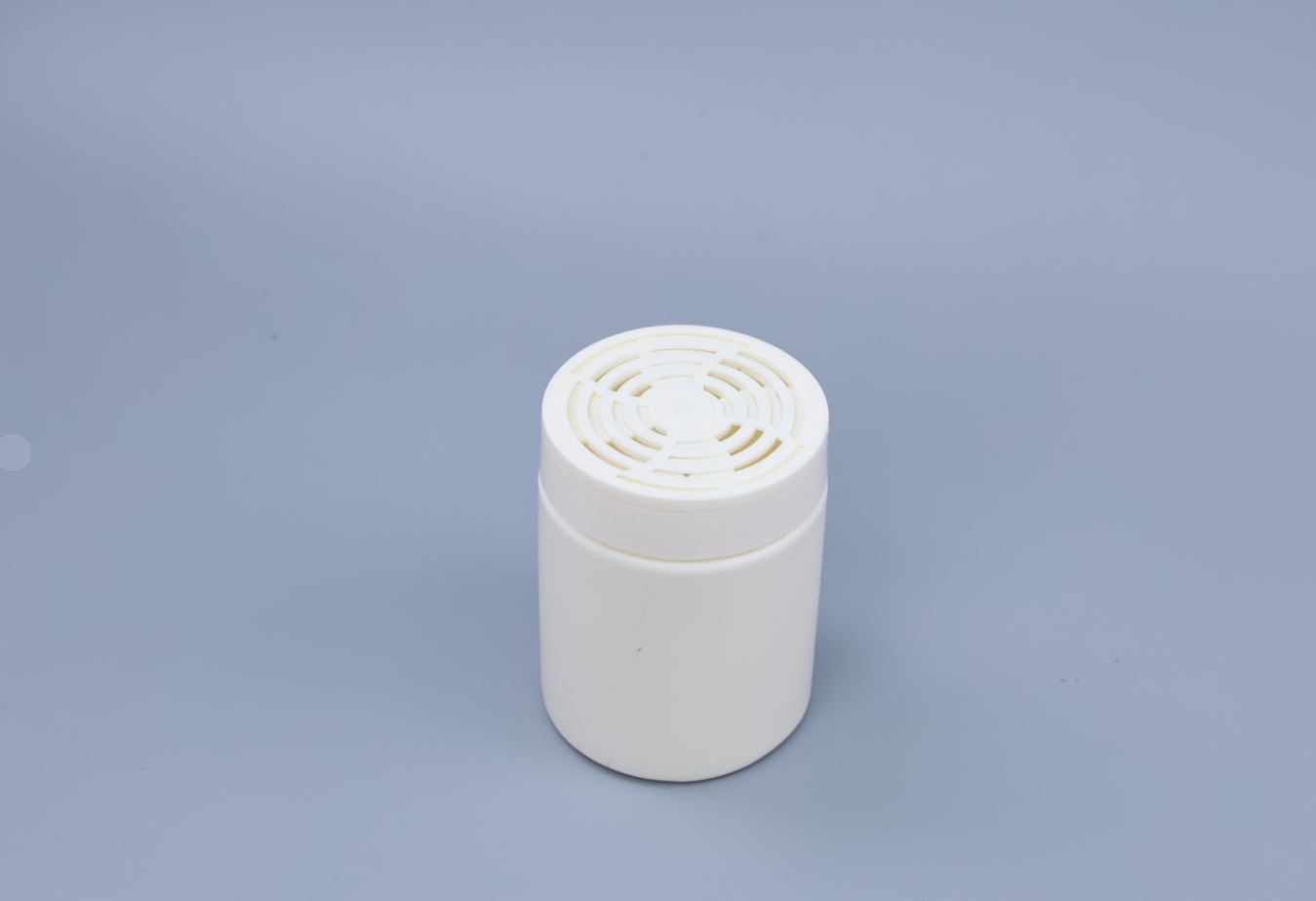
High-density polyethylene takes a different approach. Its characteristic milky translucence doesn't offer the same shelf appeal as PET, but HDPE excels where durability matters. The material resists impacts that would shatter PET or glass. HDPE bottles withstand drops and rough handling during shipping and retail display. This toughness makes HDPE the go-to choice for industrial chemicals, household cleaners, and products requiring extended shelf life.
Clarity and Aesthetic Differences
Visual presentation often tips the scale toward PET. When your product has an appealing color or you want to showcase clarity, PET delivers. Premium skincare serums, color cosmetic packaging, and beverage containers all benefit from PET's transparency. HDPE, while available in various colors, cannot match this clarity. However, HDPE's opacity can be an advantage for light-sensitive products that degrade under UV exposure.
Chemical Resistance Comparison
Product formulation should guide material choice. PET handles most neutral and slightly acidic products well but can degrade with strong alkaline solutions or certain essential oils. HDPE offers broader chemical resistance, accommodating aggressive household cleaners, acids, and solvents that might stress PET. A reputable plastic bottle manufacturer can advise on compatibility testing for specific formulations.
Temperature Performance
Temperature sensitivity varies between materials. PET softens at lower temperatures, typically around 70°C, limiting hot-fill applications. HDPE maintains structural integrity at higher temperatures, making it suitable for products requiring hot filling or storage in warm environments. For products that experience temperature fluctuations during shipping or storage, HDPE often provides more reliable performance.
Barrier Properties and Product Protection
Oxygen and moisture barriers affect product shelf life. PET naturally blocks oxygen transmission better than HDPE, extending freshness for sensitive formulations. However, HDPE's moisture barrier outperforms PET, preventing water vapor ingress that could alter product consistency. Multilayer bottles combining both materials leverage their complementary strengths for demanding applications.
Recycling and Environmental Considerations
Both PET and HDPE rank among the most recycled plastics globally. PET recycling streams are well-established, with recycled content increasingly common in new bottles. HDPE recycling infrastructure also exists, although recycled HDPE typically finds applications in non-food products due to contamination concerns. Brands targeting sustainability messaging can leverage either material, provided they communicate recycling instructions clearly.
Cost Factors in Material Selection
Raw material costs fluctuate based on petroleum prices and regional supply. Generally, HDPE costs less per kilogram than PET, although processing differences can narrow this gap. PET's faster cycle times in injection-blow molding can offset higher material costs for some bottle designs. Your manufacturer can provide detailed cost comparisons based on specific bottle dimensions and production volumes.
Manufacturing Process Differences
PET bottles typically use two-stage injection-blow molding, producing precise neck finishes and consistent wall thickness. This process suits threaded closures and pump dispensers common in cosmetic packaging. HDPE often employs extrusion-blow molding, which accommodates larger containers and complex shapes more economically. The choice influences both tooling costs and production efficiency.
Matching Material to Product Type
Cosmetic and personal care brands often choose PET for facial serums, toners, and color cosmetics where presentation drives sales. Daily chemical products like household cleaners and detergents favor HDPE for its durability and chemical resistance. Solid balm containers and cream jars may use either material depending on opacity preferences and formulation requirements.
Working With Your Supplier on Material Selection
Experienced plastic bottle factories often stock both PET and HDPE materials, allowing side-by-side sample comparisons. Request samples in both materials for your specific product to evaluate real-world performance. Quality suppliers can also arrange compatibility testing, particularly for products containing active ingredients or unusual chemical profiles. This collaborative approach minimizes risk and ensures optimal packaging performance.
Conclusion
Neither PET nor HDPE holds universal superiority—the right choice depends on your specific product requirements. PET delivers clarity and premium aesthetics ideal for visible formulations. HDPE offers toughness and chemical resistance suited to demanding applications. By understanding these differences and working closely with a knowledgeable manufacturer, brands can select packaging that protects products while supporting brand positioning and sustainability goals.
References
PlasticsEurope. "Plastics - the Facts 2024." Annual Statistics Report.
Association of Plastic Recyclers. "Design Guide for Plastics Recyclability." Technical Guidelines, 2023.
Journal of Applied Polymer Science. "Barrier Properties of Polyethylene Terephthalate and High-Density Polyethylene Films." Research Publication, 2022.
FDA Center for Food Safety and Applied Nutrition. "Guidance for Industry: Use of Recycled Plastics in Food Packaging." Regulatory Guidance, 2023.